
How are Aluminium Cans Made?
Before becoming the aluminium cans to hold drinks we’re familiar with. What’s the production process they go through? Let’s explore together.

Have you ever noticed that most beverage cans come in 2 types: steel and aluminium? But it seems that aluminium cans are becoming more popular nowadays because they are lighter and can be recycled indefinitely.
With this advantage, let’s see how the production of aluminium cans has changed from the past to the present. Can 1 kilogram of aluminium still produce the same number of cans?
First off, aluminium is a lot less dense than steel. Aluminium has a density of 2.7 grams per cubic centimeter, while steel’s density is about 7.78 grams per cubic centimeter. That’s why aluminium cans are lighter than steel cans.
In the past, 1 kilogram of aluminium could be made into 48 cans, but now it can produce about 70 cans. This is because the design has been adjusted to use less material and reduce the weight of the can.
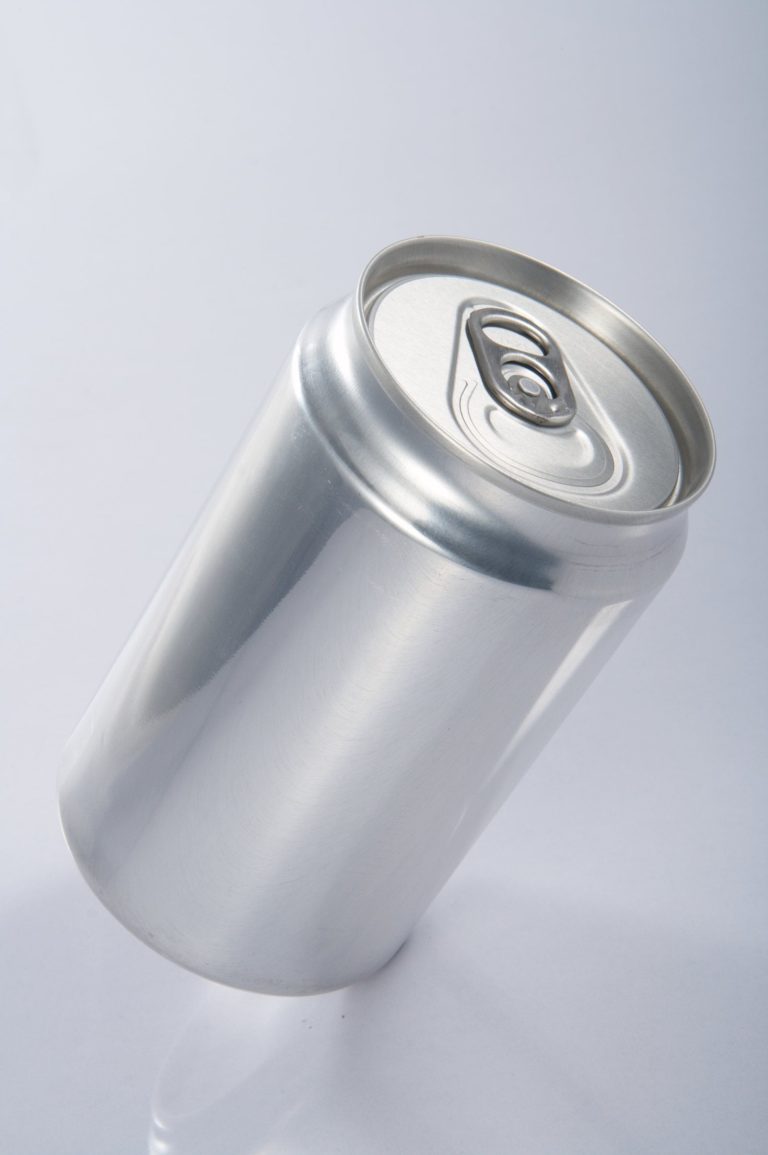
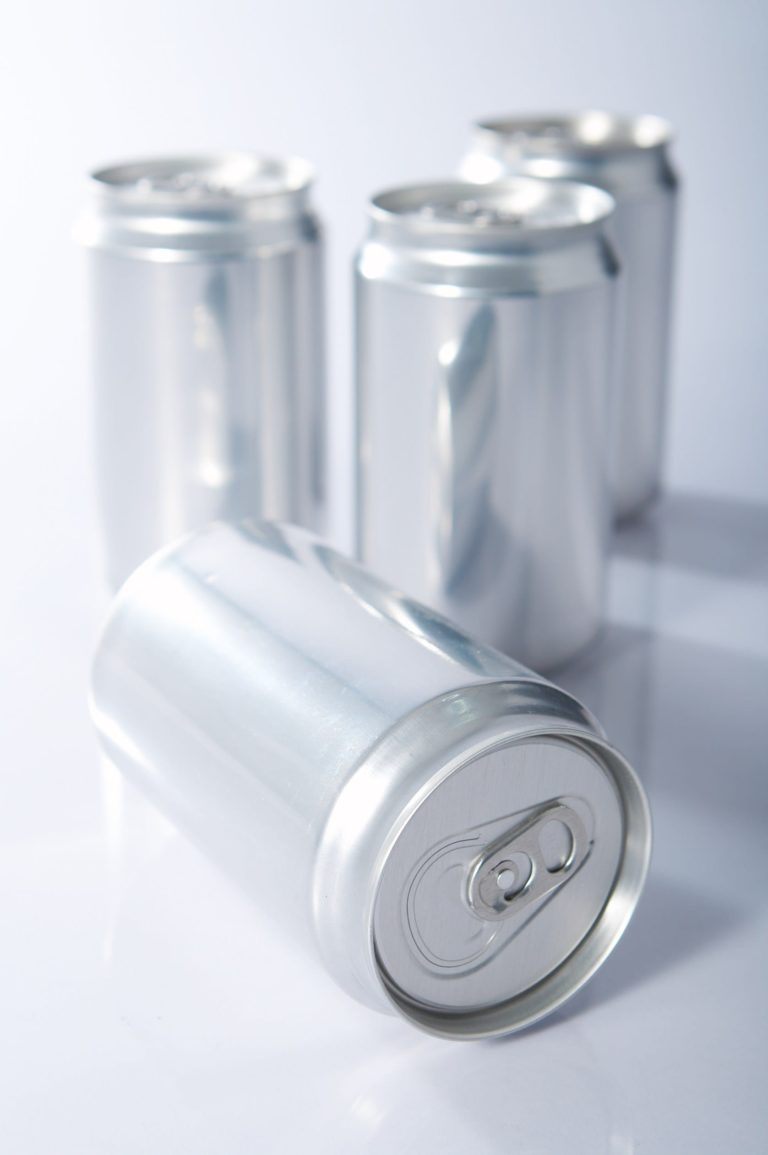
Nowadays, cans are being made thinner, and the top of the can is shaped like a bottle neck so that the lid can be smaller. This reduces the use of materials significantly. And because of its properties of being lightweight yet strong, there’s no need to worry about the thinner aluminium cans getting easily crushed.
However, the price of aluminium cans hasn’t decreased due to the reduction in material use. Instead, it has been increasing over time. The price of aluminium itself fluctuates just like the price of gold, showing that aluminium is a valuable material with an increasing demand. (Read about aluminium prices here: https://aluminiumloop.com/aluminium-price/)
With the ability to recycle aluminium back into raw materials without changing its properties, there’s no need to mine new ores. Moreover, the energy needed to produce aluminium cans can be reduced by up to 95% if made from recycled cans.
Aluminium cans are truly sustainable and eco-friendly packaging. Coupled with the current trend of environmental conservation, aluminium cans are becoming an important choice in the global beverage market.

Before becoming the aluminium cans to hold drinks we’re familiar with. What’s the production process they go through? Let’s explore together.
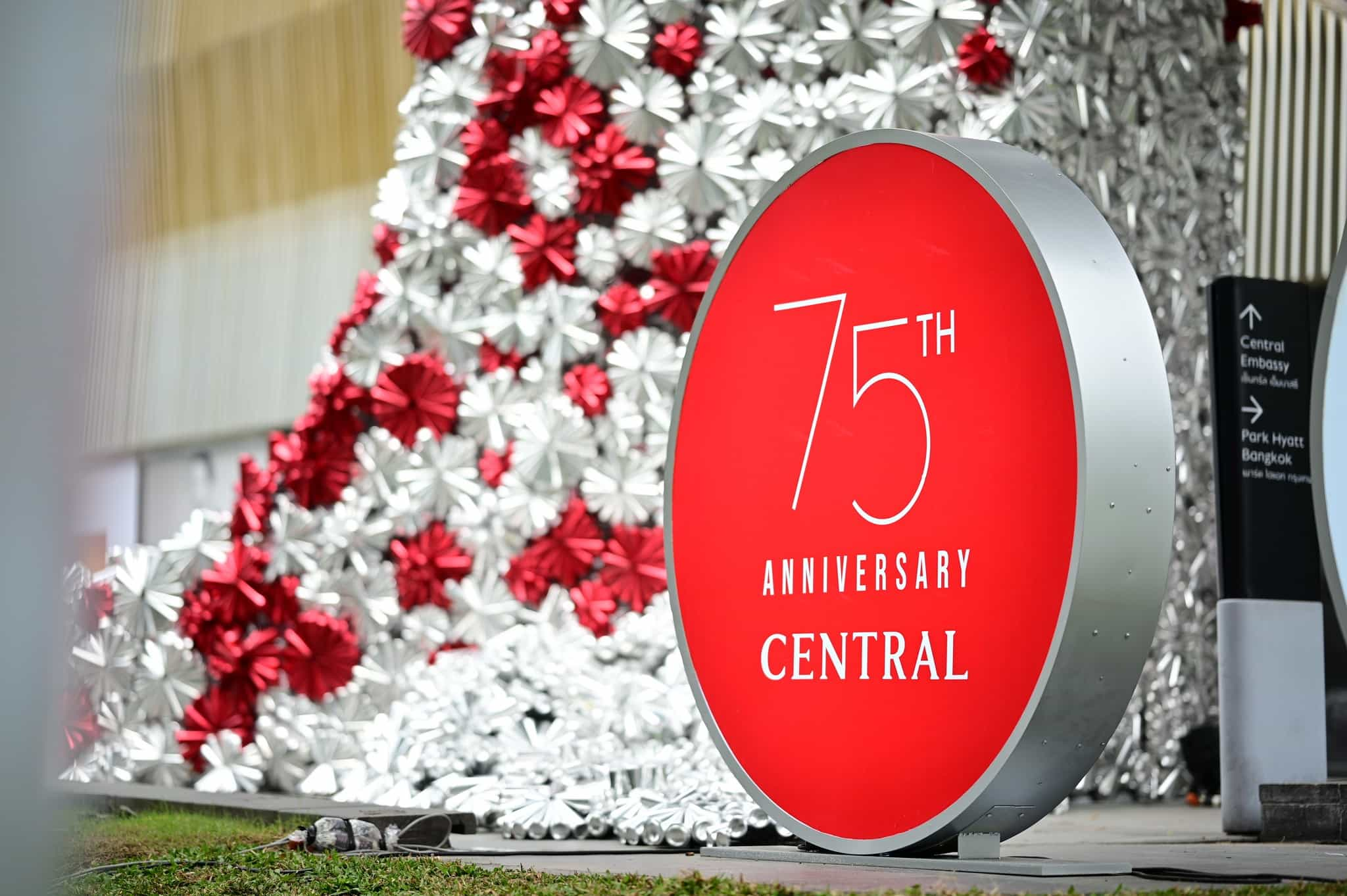
“Eternal Bloom” upcycled aluminium cans waterfall was displayed in front of Central Embassy shopping center to celebrate the 75th anniversary of Central Department Store.

How has the production of aluminium cans changed from the past to the present? Can 1 kilogram of aluminium still produce the same number of cans?