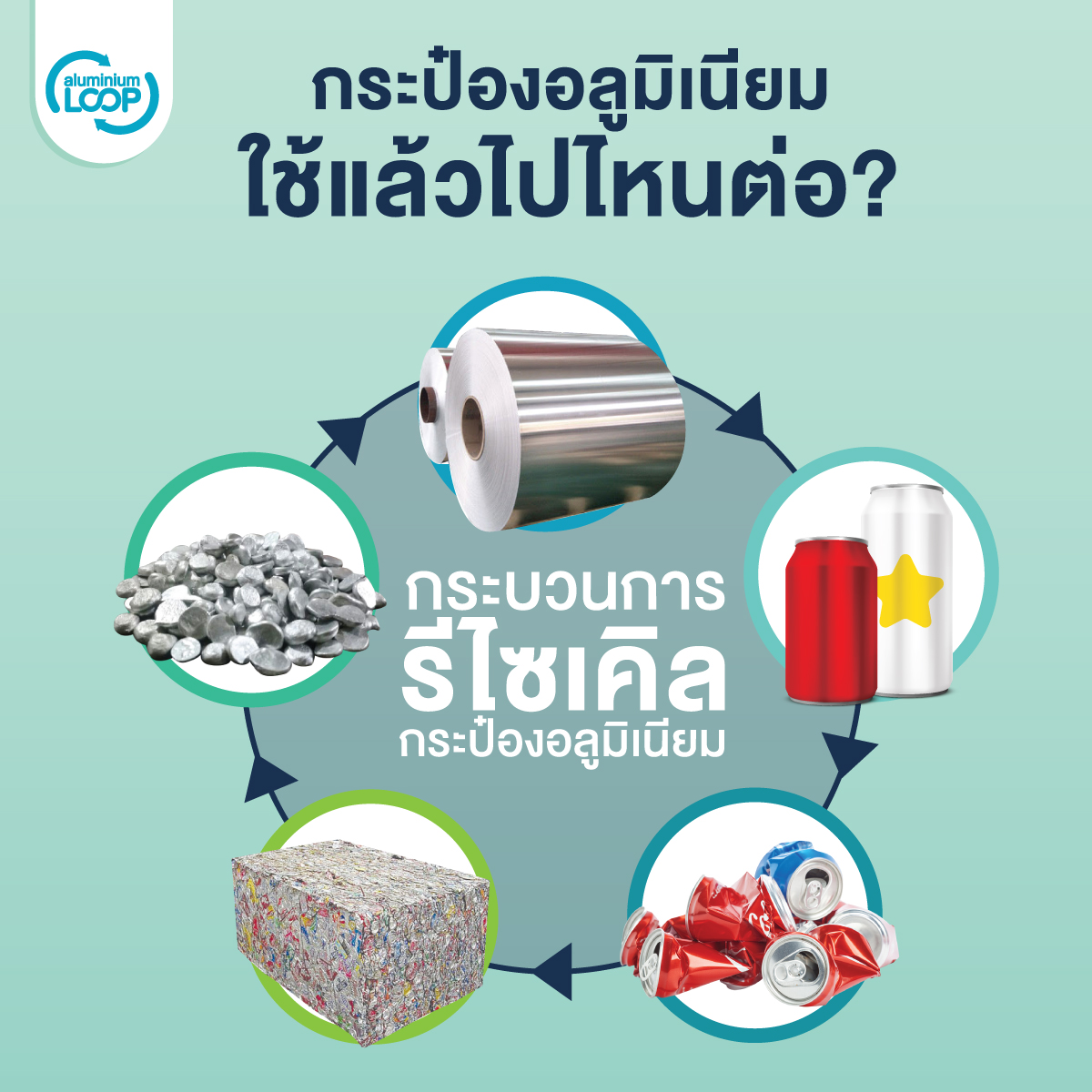
Where Do Used Aluminium Cans End Up?
Ever wondered where used aluminium cans go next? Most people tossed them in the trash without knowing they can be recycled into new cans for us to use again.

“Aluminium cans” are known as eco-friendly packaging because they can be recycled endlessly. Many people wonder if the paint color on the cans affects the recycling process. Let’s find out with Aluminium Loop.
The first thing everyone should know is that before recycling aluminium cans, all impurities must be removed, including the paint color on the cans and the inner coating. The cans are then melted back into aluminium bars before being rolled into thin sheets to be used for making new cans
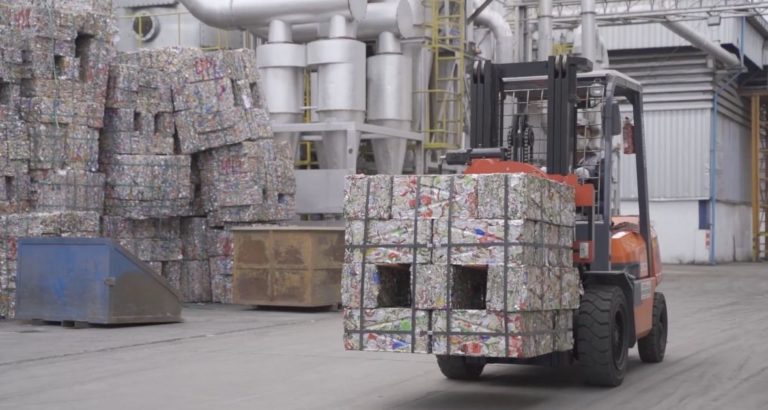
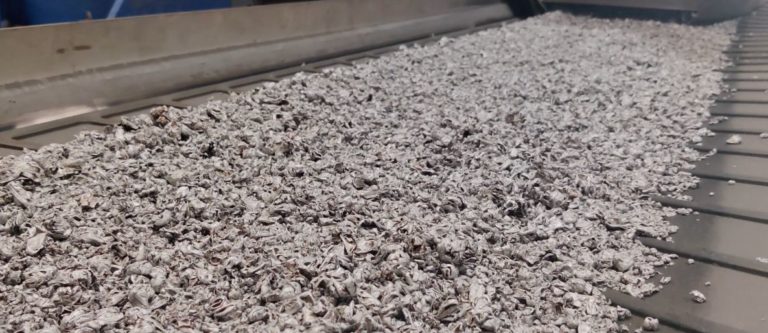
At the recycling plant, used aluminium cans are received compressed into large cubes to facilitate transportation. They are then shredded and separated from iron and other impurities using conveyor belts and magnets.
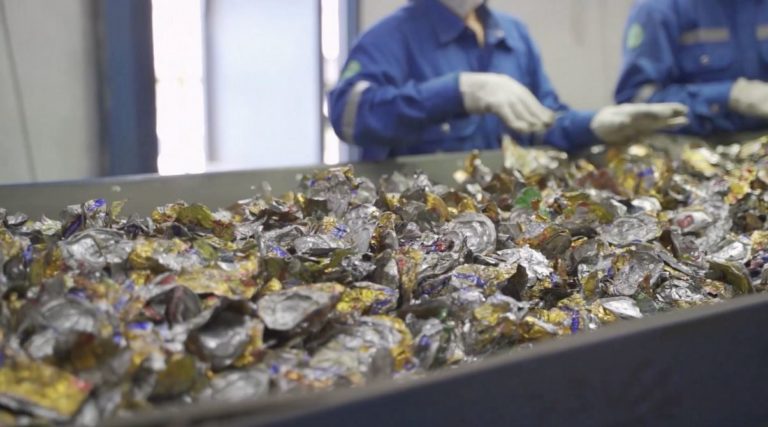
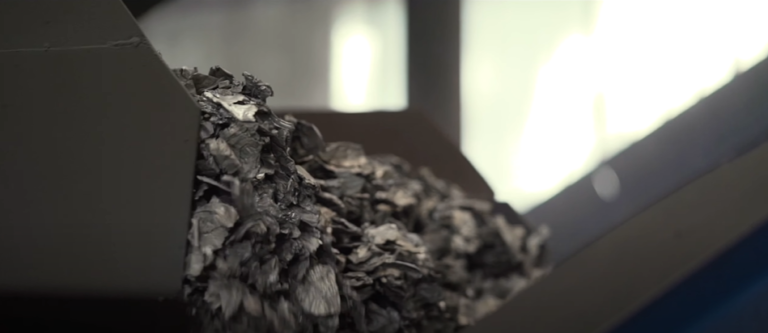
Next, the cans undergo a de-lacquering process to remove the external paint and internal lacquer. This step involves a rotary kiln with a gasification system that transforms the paint on the cans, along with any wood or plastic residues that might have slipped in, into fuel. This generates heat, which is then recirculated back into the kiln, significantly reducing the need for additional fuel.
The gasification system is advantageous because it reduces pollution from the burning process and efficiently eliminates paint, recirculating the pollutants and heat back into the kiln, which minimizes energy consumption. This de-lacquering method is not only efficient and quick but also ensures the chemical properties of the aluminium are suitable for manufacturing new aluminium cans.
So, there’s no need to worry about paint on aluminium cans being a problem in the recycling process. The paint won’t end up in the new cans, and the de-lacquering step has been developed to have minimal environmental impact.
Thanks to the information from Anglo Asia Group a renowned aluminium recycling facility with expertise and experience in the field.
Ever wondered where used aluminium cans go next? Most people tossed them in the trash without knowing they can be recycled into new cans for us to use again.
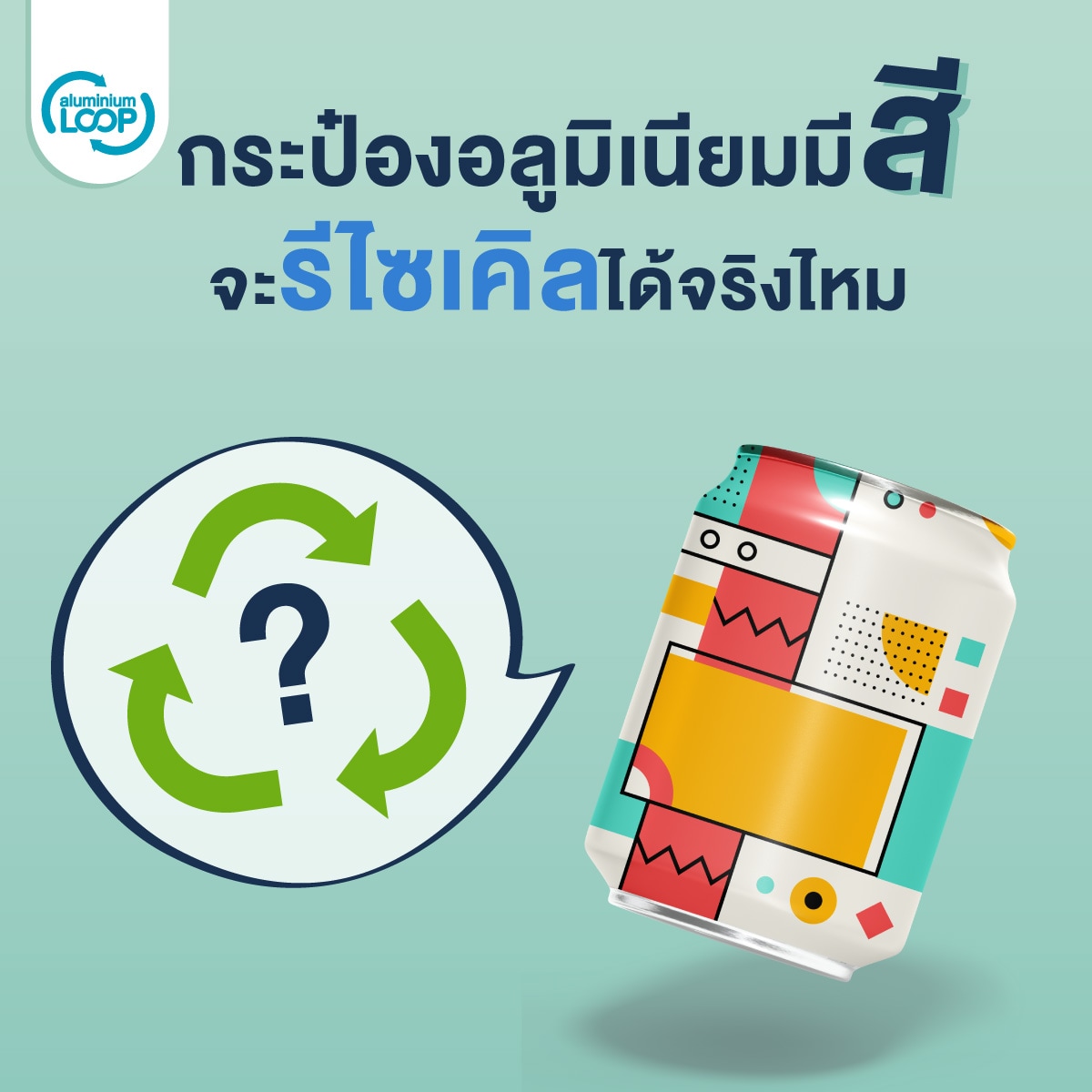
Aluminium cans, known as environmentally friendly packaging, are reputed to be fully recyclable. But does the color on the cans affect their recyclability?

The Covid-19 situation has changed consumer purchasing decisions. Canned beverages must also adapt to better meet consumer needs.